

Let’s be honest: In today’s world of trendy diets and conflicting advice, figuring out what to eat can feel like trying to solve a puzzle with missing pieces. One headline says “Cut out carbs!” while another praises them. One influencer swears by intermittent fasting; another tells you to eat six small meals a day. It’s exhausting
But here’s the truth: Nutrition doesn’t have to be complicated.
Whether you’re trying to feel better, have more energy, or just make smarter food choices, this guide is for you. We’re breaking it all down—no judgment, no diet fads, just real talk and practical tips. Because once you understand the basics of general nutrition, you can build a diet that fits your life and your goals.
What Is General Nutrition?
General nutrition is simply about providing your body with the right fuel—not just to survive, but to thrive. Think of your body like a car. You wouldn’t run it on dirty fuel or skip oil changes, right? Nutrition is how we take care of our internal engine.
At its core, nutrition involves six essential nutrients:
1. Carbohydrates – Your body’s preferred source of energy
2. Proteins – Crucial for tissue repair and muscle building
3. Fats – Essential for brain health and hormone regulation
4. Vitamins – Organic compounds that keep your systems functioning
5. Minerals – Help with everything from bone strength to oxygen transport
6. Water – Vital for digestion, temperature regulation, and detox
When you consume these nutrients in the right balance, your body performs at its best—physically, mentally, and emotionally.
⸻
The Balanced Plate: A Visual Game-Changer
You’ve probably heard of the food pyramid, but let’s be real—it’s kind of outdated. A better way to think about your meals is by using the “Balanced Plate Method.• 🥦 ½ of your plate: Vegetables and fruits (for fiber, antioxidants, and vitamins)
• 🍗 ¼ of your plate: Lean proteins (like fish, chicken, tofu, or legumes)
• 🍚 ¼ of your plate: Whole grains (brown rice, quinoa, whole wheat pasta)
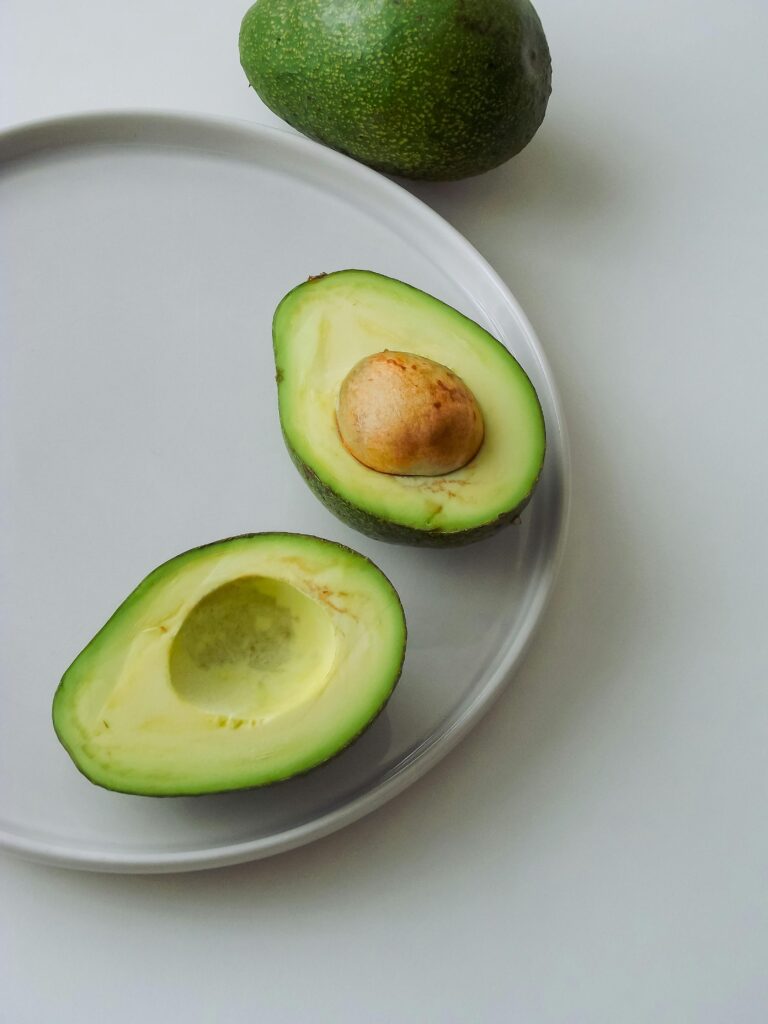
• 🥑 A touch of healthy fats: Nuts, seeds, olive oil, avocado
This method makes building healthy meals easy, whether you’re at home, at work, or eating out.
⸻
🧪 The Role of Macronutrients: Not All Calories Are Equal
Let’s break down the big three: carbs, proteins, and fats.
🥖 Carbohydrates
Often misunderstood, carbs aren’t the enemy. Your brain and muscles rely on them for fuel. Focus on complex carbs like:
• Oats
• Quinoa
• Sweet potatoes
• Brown rice
• Fruits and vegetables
Avoid refined carbs like white bread, sugary snacks, and sodas—they cause blood sugar spikes that leave you tired and hungry.
🥩 Proteins
Proteins are the building blocks of your body. They help you build and repair tissues and keep you feeling full longer. Great sources:
• Eggs
• Poultry
• Beans
• Greek yogurt
• Fish
Even if you’re plant-based, you can get plenty of protein from lentils, tofu, and tempeh.
🥜 Fats
Fat got a bad rap in the ’90s, but it’s time for a comeback—the good kind, anyway. Fats support brain health, cell repair, and hormone production. Go for:
• Avocados
• Olive oil
• Nuts & seeds
• Fatty fish like salmon
Limit trans fats and heavily processed oils, which increase inflammation and heart risk.
⸻
💡 Nutrition Isn’t Just About Food—It’s About Function
Here’s where it gets exciting. When you feed your body well, the benefits ripple into every area of your life:
| Body Function | Supported By |
| Energy & Focus | Complex carbs, B vitamins, hydration |
| Strong Immunity | Vitamin C, zinc, protein |
| Hormone Regulation | Healthy fats, vitamin D, magnesium |
| Digestive Health | Fiber, probiotics, hydration |
| Muscle Growth & Repair | Protein, iron, potassium |
| Mental Health | Omega-3s, antioxidants, folate, and regular meals |
It’s not just about weight or aesthetics—it’s about how you feel day-to-day.
⸻
🛒 Smart Shopping = Smarter Eating
Healthy eating starts with smart choices at the store. Use this grocery checklist the next time you go shopping:
Grocery List Basics:
Fruits & Veggies
• Leafy greens, berries, carrots, apples, bananas, peppers
Proteins
• Chicken, tuna, tofu, eggs, beans, Greek yogurt
Whole Grains
• Brown rice, oats, quinoa, 100% whole grain bread
Healthy Fats
• Avocados, olive oil, chia seeds, almonds
Extras
• Herbs, garlic, lemon, cinnamon, green tea
Avoid Overbuying: Make a list, stick to it, and don’t shop when hungry—it leads to impulse junk food grabs.
⸻
🕓 Nutrition Through the Day: A Simple Routine
Here’s how to keep your nutrition consistent:
🌅 Morning
Start your day with water and a balanced breakfast. Example:
• Oatmeal with berries and almond butter
• Scrambled eggs with spinach and whole-grain toast
🕛 Midday
Lunch should fuel your afternoon. Think:
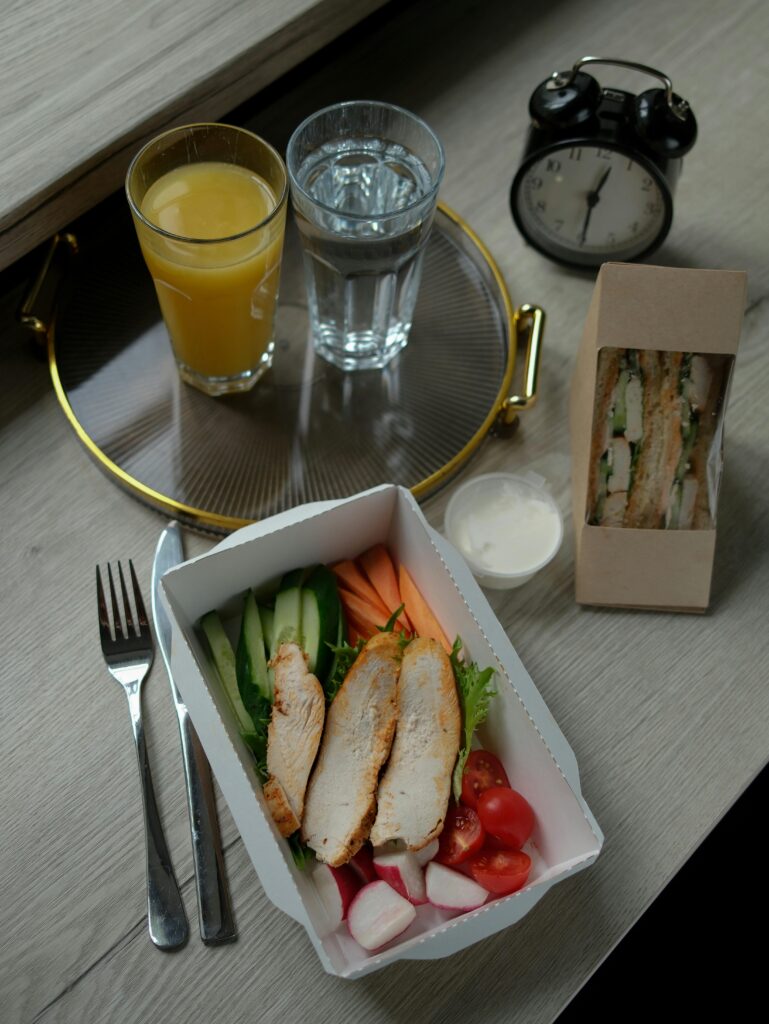
• Grilled chicken wrap with veggies
• Quinoa bowl with beans and avocado
🌇 Evening
Keep dinner satisfying but not too heavy:
• Baked salmon with roasted sweet potatoes and broccoli
• Stir-fry with tofu and brown rice
🍎 Snacks
Try not to snack mindlessly. Good options:
• Greek yogurt with honey
• A banana and peanut butter
• Hummus and baby carrots
⸻
6 Nutrition Myths You Should Ignore
Let’s bust a few myths:
1. “Carbs are bad.” Nope—whole carbs are fuel.
2. “Fat makes you fat.” Nope—excess calories do.
3. “You need to detox with juice.” Nope—your liver already detoxes.
4. “Eating late causes weight gain.” It’s about total intake, not the clock.
5. “Skipping meals helps with weight loss.” It often backfires with overeating later.
6. “You can out-exercise a bad diet.” You really can’t.
⸻
The Mind-Body Connection
What you eat doesn’t just affect your waistline—it impacts your mental health, too. Ever felt foggy or irritable after a junk-food binge? That’s no coincidence.
A well-balanced diet can help:
• Reduce anxiety and depression
• Improve memory and focus
• Stabilize mood swings
Foods that boost mental health:
• Omega-3-rich fish
• Leafy greens
• Berries
• Dark chocolate (in moderation!)
• Whole grains
⸻
Don’t Forget Water!
Hydration is the most underrated part of nutrition. You can eat the cleanest diet in the world, but if you’re dehydrated, you’ll still feel sluggish.
Pro tips:
• Aim for 8–10 cups a day (more if active or breastfeeding)
• Infuse with lemon, cucumber, or mint to make it more enjoyable
• Drink a glass first thing in the morning and before each meal
⸻
General Nutrition for All Ages
Everyone can benefit from good nutrition—but needs vary by life stage:
Children
Focus on:
• Healthy fats (brain development)
• Whole foods, not processed snacks
• Vitamin D and calcium for bone growth
Adults
• Manage stress through balanced meals
• Watch portion sizes
• Get enough fiber and protein
Seniors
• Bone health: calcium and vitamin D
• Digestion: fiber and hydration
• Immune support: zinc and antioxidants
⸻
Simple Nutrition Habits That Stick
Small changes create long-term results. Try starting with these:
1. Cook more at home – Know what’s going into your meals.
2. Plan ahead – Meal prepping prevents last-minute poor choices.
3. Eat mindfully – No screens, no stress, just focus on your food.
4. Choose color – Bright-colored meals are usually packed with nutrients.
5. Listen to your body – Eat when you’re hungry. Stop when you’re satisfied.
⸻
Real Talk: Progress Over Perfection
You’re not going to eat perfectly every day—and you don’t have to. Health is a journey, not a finish line.
There will be days when you eat takeout. Days when you crave cookies. That’s okay. Nutrition is about what you do most of the time, not once in a while.
Let go of the guilt. Celebrate the small wins. And keep showing up for your health—one plate at a time.
⸻
Final Thoughts: You’ve Got This!
If you take away anything from this post, let it be this: Your body deserves nourishment, not punishment. Eating well isn’t about restriction or shame—it’s about fuel, love, and care.
Start small. Make one better choice today. Then another tomorrow. Over time, these small steps build a strong, energized, and resilient you.
⸻
Key Takeaways:
• Understand your macronutrients: carbs, proteins, and fats
• Build balanced meals with whole foods and variety
• Stay hydrated—your body runs on water
• Bust the myths: nutrition doesn’t have to be extreme
• Focus on consistency, not perfection